
VIN verification salvage is crucial for buying/selling vehicles, ensuring authenticity & preventing legal issues. Understand state regulations, verify history thoroughly, & pay attention to details to avoid errors. Best practices include VIN accuracy, ownership verification, cross-referencing databases, record keeping, and consultation with experts for a seamless process.
In the world of automotive salvage and rebuilding, accurate VIN verification is non-negotiable. Common mistakes during this critical process can lead to legal issues, safety hazards, and financial losses. This article delves into the top missteps often encountered, particularly in VIN verification salvage operations, offering a comprehensive guide to avoid these pitfalls. By understanding these errors, industry professionals can ensure compliance, enhance operational efficiency, and deliver high-quality rebuilt vehicles. We provide actionable insights for experts seeking to master this essential practice, ultimately fostering trust and safety in the secondary automotive market.
- Understanding VIN Verification Salvage Basics
- Common Mistakes in VIN Validation Process
- Best Practices to Avoid VIN Verification Failures
Understanding VIN Verification Salvage Basics

When navigating VIN verification salvage, many individuals make critical mistakes that can lead to legal issues or financial losses. Understanding the basics of this process is paramount for anyone looking to purchase or sell a vehicle, especially when dealing with out-of-state vehicles. A Vehicle Identification Number (VIN) inspection is not merely a formality; it’s a crucial step in ensuring the authenticity and history of a car. For instance, in California, the DMV offers vin verification services that can reveal detailed information about a vehicle’s past, including accident records, odometer rollbacks, or salvage titles.
One common oversight is assuming that every state follows the same VIN verification protocols. This isn’t the case; regulations vary significantly across regions. What’s considered acceptable in one state might not be in another. For example, while California’s DMV provides comprehensive VIN verifications, other states may offer more limited checks or require additional documentation. It’s essential to familiarize yourself with the specific requirements of both your home state and the state where the vehicle is registered or originally sold.
Furthermore, many buyers rush into purchasing a seemingly perfect vehicle without verifying its history thoroughly. A simple “clear” title does not guarantee a car’s integrity. VIN verification salvage can unearth hidden issues like structural damage, odometer manipulation, or previous ownership fraud. Taking the time to conduct a thorough inspection through reliable services can save you from significant future repairs or legal complications. Remember, investing in a comprehensive VIN verification process is an investment in your safety and peace of mind.
Common Mistakes in VIN Validation Process
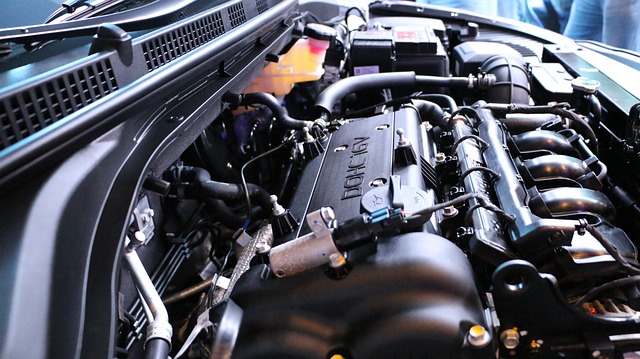
The Vehicle Identification Number (VIN) verification process is a critical step in ensuring the authenticity and history of a vehicle. However, even seasoned professionals can fall victim to common mistakes that compromise the integrity of this crucial procedure. Understanding these errors is essential for maintaining accurate records and preventing potential fraud. One such mistake is overlooking minor details during the initial inspection, which can be easily overlooked but significantly impact the overall validity of the VIN. For instance, a missing or altered VIN plate could go unnoticed, leading to incorrect data input during the DMV vin inspection near me. This highlights the need for meticulous attention to detail throughout the verification process.
Another frequent error involves inaccurate documentation and record-keeping. Inaccurate or incomplete vehicle history reports can occur due to miscommunication or a lack of thoroughness when gathering documents. For example, an old registration document might show a different ownership history than what is reflected in the current VIN records, indicating potential discrepancies that require further investigation. Proper documentation is key to maintaining the integrity of the entire process, and any errors should be addressed promptly using reliable vin verify tools to ensure accuracy.
Furthermore, failing to cross-reference data from multiple sources can lead to invalid conclusions. Reputable vin verification salvage services often rely on a network of databases to gather comprehensive vehicle information. If not all relevant data is cross-referenced or updated in real time, there’s a risk of missing critical insights that could reveal past accidents, repairs, or unauthorized modifications. For instance, a vehicle might have been reported as totaled in one database but still appear to have no major incidents in another. Regular updates and comparisons across these databases are essential for complete and accurate VIN verification.
Best Practices to Avoid VIN Verification Failures

When it comes to VIN verification salvage, avoiding common mistakes is crucial for a smooth process. One of the most critical areas to focus on is adhering to best practices to prevent failures during Vehicle Identification Number (VIN) validation checks. A licensed vehicle verifier plays a vital role here, ensuring accuracy and compliance with DMV standards. Many professionals in this field emphasize that preparation is key; gathering all necessary documents and accurately recording vehicle details before initiating the VIN verification process significantly reduces the risk of errors or rejections.
For instance, ensuring the VIN is legible and accurate is non-negotiable. Even a minor error or discrepancy can lead to delays or rejection by the DMV. Similarly, verifying the historical ownership record is essential; missing or incorrect information might indicate a potential issue with the vehicle’s title, which could hinder the transition to new insurance. It’s also advisable to cross-reference the provided details against reliable databases to ensure authenticity, especially when dealing with vehicles with a complex history.
Another best practice involves maintaining comprehensive records throughout the process. Documenting each step, from initial inspection to final verification, not only helps in tracking potential issues but also serves as a reference for future reference or audits. If you’re wondering when you can switch insurance with a VIN change, it’s recommended to consult with a licensed verifier who can guide you through the necessary steps and ensure compliance. Regularly updating your knowledge about DMV procedures and industry standards will enable you to anticipate potential challenges and navigate them effectively, ensuring successful VIN verification salvage every time.
By understanding the fundamentals of VIN verification salvage and common pitfalls to avoid, businesses can significantly enhance their processes. Key takeaways include the importance of meticulous data collection, accurate record-keeping, and consistent adherence to industry standards. Avoiding typical mistakes such as incomplete inspections, inadequate documentation, and relying on outdated information is paramount for successful VIN validation. Implementing best practices like comprehensive training programs, utilizing advanced verification tools, and establishing robust quality control measures will foster accuracy and efficiency in VIN verification salvage operations, ultimately ensuring the integrity of vehicle history reports.


