
VIN verification salvage is essential for buying and insuring vehicles, preventing fraud, and ensuring safety. Online tools offer free checks on accident records, ownership, and damage, empowering consumers. Reputable databases like DR 2698 from DMVs verify VINs against official records to uncover discrepancies. Accurate VIN data affects insurance premiums; undisclosed damage can lower costs. Best practices include meticulous data entry, real-time updates, automated checks, and manual reviews for reliable reporting. Proper verification prevents misidentification, legal issues, and costly surprises.
The automotive industry’s evolution has brought about a complex web of regulations and practices, particularly surrounding VIN (Vehicle Identification Number) verification salvage. As vehicles become increasingly sophisticated and diverse, understanding common mistakes during VIN validation is more critical than ever. This article serves as your authoritative guide to navigating this essential process, highlighting pitfalls to avoid and best practices to ensure accuracy. By steering clear of these typical errors, professionals can enhance their credibility, streamline operations, and uphold the integrity of vehicle history reports in today’s market.
- Understanding VIN Verification: The Basics
- Common Mistakes in Vehicle History Check
- Avoiding Scams: Validating VIN Data Sources
- VIN Verification Salvage: Identifying Red Flags
- Best Practices for Accurate VIN Cross-Referencing
Understanding VIN Verification: The Basics

Understanding VIN verification, or Vehicle Identification Number (VIN) validation, is a fundamental first step for anyone looking to assess a vehicle’s history and authenticity. The VIN is a unique code imbedded within every vehicle, acting as its fingerprint. Verifying this number allows you to gain access to detailed information about the car’s past, including ownership history, collision records, and whether it has been branded as salvage or rebuilt.
When checking my vehicle’s VIN history, online platforms have made the process more accessible than ever. You can verify a vin number online through specialized databases that compile this data from various sources. These services offer a comprehensive view of the vehicle’s journey, helping you avoid potential pitfalls associated with purchasing a damaged or illegally modified car. For instance, a study by the National Insurance Crime Bureau (NICB) revealed that approximately 1 in every 40 vehicles sold in the US has some form of fraud or alteration on its history report. By verifying the VIN early in the buying process, you can significantly reduce these risks.
The process is straightforward: enter the VIN into an online database and review the report. Common red flags to look for include discrepancies in mileage, ownership changes occurring more frequently than average, or a vehicle being listed as salvage when it hasn’t been reported as such. Keep in mind that while these checks are valuable tools, they might not uncover every possible issue. For instance, a car may have undergone substantial repairs without proper documentation or reporting. In such cases, professional inspections become even more crucial. Contacting a trusted VIN database 1-3 times to verify critical details can help ensure the accuracy of the information you’re relying on.
Ultimately, effective VIN verification salvage strategies involve combining online research with meticulous inspection. By integrating these practices into your vehicle assessment routine, you’ll be better equipped to make informed decisions, ensuring you purchase a safe and legitimate vehicle every time.
Common Mistakes in Vehicle History Check
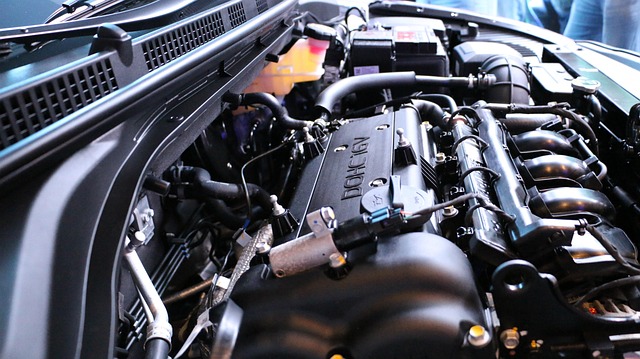
Performing a thorough vehicle history check, especially when considering a used or salvaged vehicle, is paramount to making an informed decision. One common pitfall buyers encounter is relying on incomplete or inaccurate data during the Vehicle Identification Number (VIN) verification process. This can lead to unforeseen issues and costly surprises down the line.
A simple mistake like misinterpreting a vehicle’s history report due to lack of understanding or skipping crucial details can have significant implications. For instance, a vehicle may appear to have no significant damage on a superficial check but, upon closer inspection through VIN verification salvage databases, reveal hidden structural issues or previous restoration work that could compromise safety and resale value.
Accurate VIN verification is essential for several reasons, particularly when it comes to insurance claims and pre-purchase peace of mind. Insurance companies increasingly utilize online VIN lookup tools to assess a vehicle’s history before issuing policies. A misrepresented or incomplete VIN during this process can lead to denied claims or higher premiums. Moreover, knowing the full history of a vehicle allows owners to make informed decisions regarding repairs, maintenance, and resale value, ensuring they’re not left with unexpected costs.
To avoid these pitfalls, buyers are encouraged to utilize reputable online resources for VIN verification. Many services offer free online VIN checks that provide detailed reports on vehicle history, including accident records, ownership history, and salvage or flood damage. These tools empower consumers to navigate the market more confidently and ensure they’re making a smart investment, regardless of whether they’re sourcing a classic car, a daily driver, or a restored classic with a fresh VIN.
Avoiding Scams: Validating VIN Data Sources

During VIN (Vehicle Identification Number) validation, one of the most critical areas to focus on is avoiding scams and ensuring the integrity of your data sources. The automotive industry has seen a rise in fraudulent activities, where malicious actors attempt to deceive buyers and sellers through manipulated or fake VIN records. This section delves into strategies to steer clear of such schemes, emphasizing the importance of valid and reliable VIN verification salvage processes.
When validating a vehicle’s history, it is crucial to compare the provided VIN with official databases. Many reputable organizations, including the DMV (Department of Motor Vehicles), offer DR 2698 verification services that allow for comprehensive checks against vehicle identification numbers. By utilizing these resources, you can uncover any discrepancies or potential scams associated with a particular VIN. For instance, a simple cross-reference with national vehicle registration databases can reveal if the VIN is associated with salvage titles or previous accidents, which are critical factors in determining a vehicle’s condition and value.
Avoiding scams requires a meticulous approach to VIN verification. It involves not only checking for physical damage but also scrutinizing the digital footprint left by each transaction. Some unscrupulous individuals manipulate online records, creating false histories. Therefore, it is essential to engage in thorough due diligence, employing multiple vehicle verification methods. For example, combining DR 2698 checks with specialized VIN mismatch policies can provide an even more robust layer of protection against fraudulent activities. These policies typically cover unexpected discrepancies and offer additional insights into potential red flags that automated systems might miss.
In today’s digital landscape, where information is readily accessible, it’s crucial to remain vigilant. By comparing VIN records across multiple trusted sources, you can ensure the accuracy of a vehicle’s history. This process not only aids in avoiding scams but also empowers buyers and sellers with valuable insights into a vehicle’s past, making informed decisions easier.
VIN Verification Salvage: Identifying Red Flags

During VIN (Vehicle Identification Number) validation, especially when dealing with salvage vehicles, recognizing red flags is paramount to avoid costly mistakes. VIN verification salvage involves a meticulous process to uncover potential issues, and ignoring warning signs can lead to substantial losses. One of the most critical aspects is ensuring the VIN number’s integrity and accuracy, which serves as a unique identifier for each vehicle. A simple free vehicle identification check can reveal discrepancies that may indicate tampering or fraudulent activities.
A common pitfall is encountering a VIN discrepancy during the salvage process. This occurs when the recorded VIN data does not match the actual vehicle’s details. For instance, a salvage yard might receive a car with a clean-looking VIN, only to discover that it corresponds to a different model year, make, or even type of vehicle entirely. Such instances can be indicative of identity theft, fraud, or efforts to conceal damage. Insurers and law enforcement agencies take VIN integrity seriously; thus, any suspicion of tampering should trigger a thorough investigation. Understanding how to fix a VIN discrepancy is essential for both salvage operators and consumers, as it helps maintain the transparency and security of the automotive market.
Furthermore, why do VIN numbers matter for insurance? Insurance companies rely on accurate VIN data to assess risk and determine policy premiums. A vehicle’s history, including any prior damage or accidents, is tied to its unique VIN. Insurers use this information to calculate comprehensive coverage costs. For example, a salvage yard selling a vehicle with a clean title and no reported accidents will attract higher prices than one with undisclosed previous damage. Therefore, proper VIN verification salvage practices not only ensure ethical business operations but also contribute to fair insurance rates for all. Regularly updating and verifying VIN data across various databases is an effective way to maintain the integrity of the automotive industry and protect consumers.
Best Practices for Accurate VIN Cross-Referencing

Performing accurate VIN (Vehicle Identification Number) cross-referencing is paramount during vehicle inspection processes, especially when dealing with salvage or used vehicles. Common mistakes in this critical step can lead to misidentification, incorrect reporting, and potential legal issues. To ensure meticulous VIN verification salvage, organizations must adopt best practices that go beyond basic procedures.
One of the primary challenges arises from incomplete or inaccurate data entry during initial VIN inspection. Even a single digit or character error can result in a mismatch with databases used for vehicle history reports (VHRs). For instance, a 2015 Ford Focus might be entered as 2014 due to a typo, leading to incorrect reporting by automated systems. To mitigate this, establish clear data entry protocols and double-check each VIN manually before proceeding with cross-referencing. Utilize reference materials like official DMV (Department of Motor Vehicles) guidelines or reputable online VIN verification tools to ensure accuracy.
Another critical aspect involves keeping up with database updates. Vehicle history databases are regularly updated to include new information, such as ownership changes, accident records, and salvage titles. Failure to access the latest data can result in incomplete or outdated VHRs. Utilize trusted sources for VIN verification and reporting, ensuring they provide real-time updates. For instance, performing a DMV vin inspection near me should yield current information on the vehicle’s history, including any relevant legal or structural issues. Regularly verify the accuracy of your internal databases by cross-referencing with external, authoritative sources.
Additionally, consider implementing multi-step verification processes to enhance accuracy. This may include manual review of VHRs alongside automated checks. For example, after an initial digital scan for discrepancies, assign a dedicated specialist to scrutinize the report for any red flags or anomalies. Such a layered approach significantly reduces the risk of errors in VIN verification salvage, ensuring that all aspects of a vehicle’s history are thoroughly and accurately represented. By adopting these best practices, organizations can streamline their processes, maintain compliance, and deliver reliable VIN reporting—crucial steps in today’s meticulous automotive industry.
By understanding the basics of VIN verification and leveraging best practices, individuals and organizations can significantly mitigate risks associated with vehicle history checks. Key takeaways include recognizing common mistakes like inaccurate data entry and relying on untrusted sources, understanding the importance of validating VIN data to avoid scams and fraudulent activities, and developing strategies for identifying red flags in VIN verification salvage processes. Moving forward, adopting robust cross-referencing techniques, utilizing reputable data providers, and staying vigilant against potential scams will ensure accurate and reliable VIN verifications, fostering trust and transparency in the automotive industry.


