
VIN verification salvage is a critical process in the automotive industry to combat fraud, ensure consumer safety, and promote sustainability. By leveraging Vehicle Identification Numbers (VIN), professionals access detailed vehicle history reports, validate parts' authenticity, and cross-reference them with global databases for accuracy and security. This meticulous process is vital for high-risk components like brakes, airbags, and engines to prevent failures. Successful VIN verification enables the recovery of specific parts from salvage yards, reducing market reliance on counterfeit or grey-market parts and offering cost savings. Proper VIN-driven recovery ensures availability of rare parts, even for electric and autonomous vehicles. Ensuring part quality through inspection and testing minimizes risks and promotes trust in the industry. Environmentally, recycling vehicles saves resources and reduces emissions, integrating salvage to promote a circular economy. Insurance companies play a role in reporting suspected VIN fraud, adhering to stringent standards for efficient tracking.
In today’s automotive landscape, the demand for high-quality replacement parts has never been greater. The challenge lies in ensuring these parts are authentic and reliable, especially as the market is saturated with counterfeit and substandard offerings. This has led to a critical need for effective strategies to combat this issue, such as VIN (Vehicle Identification Number) verification salvage. By employing a VIN-driven approach, we can ensure the authenticity of vehicle parts through meticulous tracking and documentation, safeguarding consumers from fraudulent practices and promoting a transparent supply chain. In this article, we delve into the intricacies of this method, offering a comprehensive guide to salvaging high-demand parts with unparalleled expertise.
- Understanding VIN Verification for Salvaged Parts
- The Process: VIN-Driven Part Recovery
- Identifying High-Demand, Low-Supply Components
- Ensuring Quality: VIN Inspection and Testing
- Integrating Salvage into Auto Industry Practices
Understanding VIN Verification for Salvaged Parts

The process of salvaging high-demand parts, particularly for vehicles, has evolved significantly with the integration of Vehicle Identification Numbers (VIN) as a critical verification tool. VIN verification salvage ensures that parts recovered from damaged or scrapped vehicles maintain their authenticity and quality, addressing a crucial concern in an era where parts fraud is on the rise. This method involves meticulously scrutinizing a vehicle’s unique 17-character VIN to validate its integrity, origin, and condition.
For example, California’s Department of Motor Vehicles (DMV) provides comprehensive RV vin verification services, enabling professionals to access detailed vehicle history reports. These reports not only reveal the original manufacturer, model, and year but also highlight any prior accidents or damage, thus assisting in identifying suitable salvage parts. Similarly, reporting suspected vin fraud to insurance companies plays a vital role in combating counterfeit parts, ensuring consumers receive genuine components during repairs or replacements.
Expert practitioners employ advanced systems to cross-reference VINs with global databases, enhancing accuracy and security. This meticulous approach is particularly essential for high-risk components like brakes, airbags, and engines, where even minor tampering can lead to catastrophic failures. By prioritizing VIN verification salvage, the automotive industry fosters trust among consumers and mechanics alike, ensuring that parts replacements meet safety standards and regulatory compliance. This strategy not only promotes a sustainable circular economy but also safeguards road users by mitigating risks associated with substandard or fraudulent components.
The Process: VIN-Driven Part Recovery
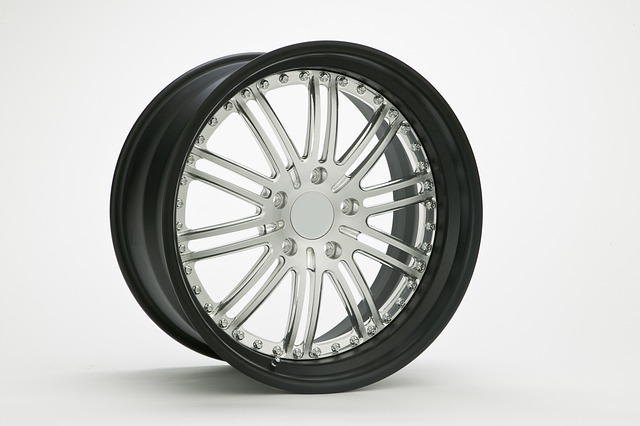
The process of VIN-driven part recovery is a critical component of salvaging high-demand parts, ensuring both authenticity and legality in the automotive and motorcycle industries. It begins with meticulous VIN verification, where each vehicle or motorcycle’s unique identification number (VIN) is cross-referenced against comprehensive databases to confirm its integrity. This initial step is paramount as it establishes a benchmark for subsequent processes, including part sourcing and quality control. For instance, when verifying a motorcycle VIN number, online platforms like the National Motor Vehicle Title Information System (NMVTIS) offer robust tools that can instantly reveal a vehicle’s history, accident records, and current status, enabling informed decisions.
Upon successful VIN verification, the recovery process involves pinpointing specific parts from both functional and non-functional vehicles within a salvage yard or dealership lot. This requires skilled technicians who understand the intricate differences between makes, models, and years to ensure compatibility and quality. For example, a high-demand part like an engine might be recovered from a vehicle with minimal damage but a mismatching VIN, provided the engine’s specifications align precisely with the desired model. However, it is crucial to report any significant discrepancies, especially when dealing with sensitive components, as this can impact both product safety and legal liability. Insuring a car or motorcycle with mismatched VINs should be considered on a case-by-case basis, focusing on assessing the risk associated with potential identity issues and safety concerns.
Data from industry experts suggests that proper VIN-driven part recovery can significantly reduce the market’s reliance on counterfeit or grey-market parts, thereby enhancing road safety and environmental sustainability. This method also promotes cost-effectiveness for both consumers and businesses by providing access to quality parts at competitive prices. To ensure maximum efficiency in this process, automotive professionals advocate for a standardized approach to VIN verification, integrating digital technology to streamline data management and cross-referencing. By embracing these strategies, the industry can harness the power of VINs to drive a more transparent, secure, and efficient part recovery system.
Identifying High-Demand, Low-Supply Components

Identifying high-demand, low-supply components is a critical step in salvaging vehicle parts, especially as automotive manufacturing trends shift towards electric and autonomous vehicles. Traditional parts with high demand but dwindling supply often become scarce and expensive, posing challenges for both consumers and auto repair shops. For instance, certain sensors, electronics, and batteries used in modern cars can be difficult to source once their production is discontinued or when they’re no longer manufactured by the original equipment manufacturer (OEM).
VIN verification salvage offers a strategic solution to this problem. By utilizing a licensed vin verifier near me or an out-of-state VIN inspection service, technicians and parts suppliers can accurately identify vehicles with high-demand, low-supply components. This method allows them to source these parts from wrecked or scrap vehicles whose unique vehicle identification numbers (VINs) reveal their specific make, model, year, and equipment. For example, a particular sensor might be in high demand for a specific electric vehicle model, but its supply may be limited due to manufacturing changes. VIN verification can quickly pinpoint these vehicles, ensuring that the needed parts are readily available despite the manufacturer’s discontinuation or the part’s low availability locally.
Furthermore, this approach empowers consumers who face unexpected vehicle issues due to rare parts. Even if a mechanic informs them of a hard-to-source component, they can still explore options for getting insurance despite VIN problems through salvaged parts programs. These initiatives help reduce costs and repair times by providing an alternative source for hard-to-find items, ensuring that vehicles can return to the road efficiently. For instance, a consumer with a hybrid vehicle that needs a specialized battery part not readily available from their dealership could turn to VIN-driven salvage services to locate the necessary component at a more affordable price point and faster turnaround time compared to waiting for OEM availability.
Ensuring Quality: VIN Inspection and Testing

Ensuring the quality of salvaged high-demand automotive parts is paramount to maintaining safety standards and customer satisfaction. Vehicle Identification Number (VIN) verification salvage offers a robust framework for achieving this. VIN inspection and testing serve as a critical cornerstone in this process, enabling experts to assess the integrity and condition of parts with unparalleled precision. By utilizing specialized tools and expertise, professionals can quickly validate a part’s authenticity, performance capabilities, and compatibility with specific vehicle models.
For instance, consider the case of an RV owner seeking replacement components for their classic campervan. VIN verification near me becomes a valuable resource, ensuring that acquired parts are not only genuine but also compatible with their unique vehicle. This meticulous approach minimizes the risk of faulty installations, potential safety hazards, and costly repairs. Similarly, in the auto industry, precise VIN-driven processes facilitate the identification and refurbishment of high-demand components, keeping up with market demands while adhering to stringent quality control measures.
auto vin verification plays a pivotal role in combating counterfeits and ensuring parts meet original equipment manufacturer (OEM) specifications. Reputable salvage yards and automotive experts employ advanced technologies like barcode scanners and digital data cross-referencing to verify each part’s VIN, creating an immutable record that can be traced back to the vehicle’s manufacturing details. This meticulous process is particularly crucial in high-risk areas where parts fraud is prevalent, such as in regions with limited access to authentic components or a thriving aftermarket for counterfeit goods.
By integrating comprehensive VIN verification into salvage operations, businesses and individuals alike can gain peace of mind, knowing that their acquired parts are not only readily available but also reliable, safe, and compatible. This approach fosters trust among consumers and promotes sustainable practices within the automotive industry by encouraging responsible sourcing and quality assurance measures.
Integrating Salvage into Auto Industry Practices

The automotive industry is undergoing a significant transformation as demand for high-quality, affordable parts rises. Integrating salvage into auto industry practices emerges as a strategic solution, offering both environmental benefits and cost savings. VIN (Vehicle Identification Number) verification salvage is a game-changer in this context, enabling the efficient recovery and redistribution of used components while maintaining optimal performance and safety standards.
VIN verification plays a pivotal role in ensuring the authenticity and history of a vehicle. When a car undergoes salvage due to damage or accident, the unique VIN allows for detailed tracking of its past—including maintenance records, previous owners, and any prior accidents. This data is crucial for determining the suitability of parts for reuse. For instance, California DMV verification processes ensure that only legitimate vehicles with intact histories are considered for salvage, safeguarding consumers and promoting transparency. By leveraging VINs, salvage yards can identify specific parts needing replacement and those suitable for repurposing, minimizing risks associated with counterfeit or substandard components.
Moreover, the environmental impact of salvage is substantial. According to industry estimates, recycling one million vehicles saves over 50 million gallons of gas and reduces greenhouse gas emissions by approximately 4 million metric tons. Integrating salvage into auto industry practices promotes a circular economy, reducing demand for new parts manufacturing and minimizing waste. For example, extending the lifespan of high-demand parts like engines or transmissions through VIN-driven salvage can significantly curb the need for constant production runs, thereby lowering carbon footprints.
When considering changes to insurance policies following a VIN change, it’s essential to understand that many insurers require updated vehicle identification information for accurate coverage. However, the need for new insurance isn’t always mandatory; policyholders should consult their providers to determine if adjustments are necessary. The primary concern remains ensuring proper VIN verification salvage, which directly impacts safety and liability. By adhering to stringent standards and utilizing advanced technology like barcode scanners or RFID tagging during the salvage process, auto professionals can maintain the integrity of parts while facilitating efficient tracking and documentation for insurance purposes.
Through a comprehensive exploration of VIN verification salvage, this article has underscored the significance of leveraging Vehicle Identification Numbers (VIN) to recover high-demand, low-supply automotive parts. Key insights include the critical role of VIN inspection and testing in ensuring part quality, as well as the integration of salvage practices into the broader auto industry landscape. Understanding VIN verification for salvaged parts empowers businesses to navigate the challenges of component scarcity, fostering innovation and sustainability within the industry. Next steps involve adopting a VIN-driven approach, prioritizing thorough testing, and integrating salvage strategies into existing workflows to capitalize on this authoritative method’s substantial benefits.


